From 22nd of March till the end of 27th of March ETSY will celebrate EUROWEEK...So I created 2 different Collage of ETSY sellers...the first one is full of Turkish friends....
1st line Artists:
AFRA
SHEBBO DESIGN
GULTEN
ATELIER AFRA
COOKIELETTA
2nd line Artists:
LUMINOUS OBJECTS
BY SWEET MOM
ICHA PHOTOGRAPHY
PEARLSQUILTEDCRAFTS
KIREVI8
3rd line Artists:
EVIHAN
ZUZUSWORLD
REFLECTIONSBYDS
CHROCHETBUTTERFLY
ADGCORNERSHOP
4th line Artists:
NIKA COLLECTION
SESIDECO
THEBAGSHOP
DIMPLE CROCHET
KARYA
And EuropeanStreetTeam Friends....
1st line Artists:
SWIEDEBIE
STEINSCHMUCKDESIGN
VAISTO
ROSEMARY MANUFACTURE
2nd line Artists:
KARUSKI
GUFOBARDO
STARBAGS
LATOUCHABLES
3rd line Artists:
EVIHAN
INGERMAAIKE
JEALOUSYDESIGN
HEARTSHAPED CREATIONS
4th line Artists:
KREATIVLINK
ALATVIAN
DINAFRAGOLA
SUMIKOSHOP
More info can be found at europeanst.blogspot.com
21.3.10
15.3.10
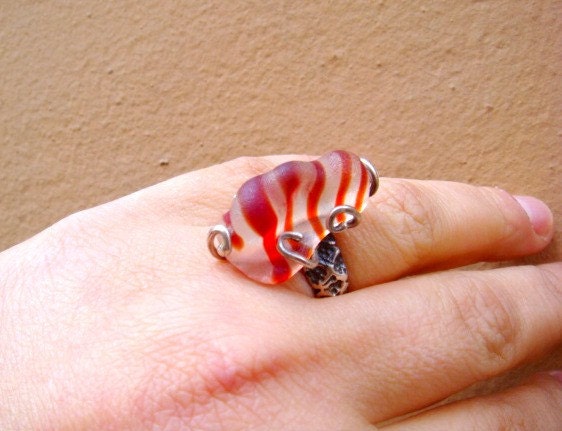
CHALLANGE ENTRY---Lampworked Sandblasted Red and Ice Color Silver Zebra Ring
I participated to lamarquisedesanges weekly challange after a looon loong time...the subject is SENSE OF TOUCH and TEXTURES...
SABINE has a great ETSY shop where you can find very original clothes, jeweleries, housewares and etc...
here is my challange entry ring:
SABINE has a great ETSY shop where you can find very original clothes, jeweleries, housewares and etc...
here is my challange entry ring:
What is an EVIL EYE?
The customers who visit me and my shop during their holidays, always ask me the meaning of the EVIL EYE s...I always want to give information briefly but I found a very informative writing in detail today and I wanted to share with you...
evil eye necklace
Belief in the evil eye during antiquity is based on the evidence in ancient sources like Aristophanes, Athenaeous, Plutarch, and Heliodorus. There are also speculations that claim Socrates possessed the evil eye and that his disciples and admirers were fascinated by Socrates' insistently glaring eyes. His followers were called Blepedaimones, which translates into demon look, not because they were possessors and transmitters of the evil eye, but because they were suspected of being under the hypnotic and dangerous spell of Socrates.
In the Greco-Roman period a scientific explanation of the evil eye was common. Plutarch's scientific explanation stated that the eyes were the chief, if not sole, source of the deadly rays that were supposed to spring up like poisoned darts from the inner recesses of a person possessing the evil eye. Plutarch treated the phenomenon of the evil eye as something seemingly inexplicable that is a source of wonder and cause of incredulity.
The belief in the evil eye during antiquity varied from different regions and periods. The evil eye was not feared with equal intensity in every corner of the Roman Empire. There were places in which people felt more conscious of the danger of the evil eye. In the Roman days not only were individuals considered to possess the power of the evil eye but whole tribes, especially those of Pontus and Scythia, were believed to be transmitters of the evil eye.
The spreading in the belief of the Evil Eye towards the east is believed to have been propagated by the Empire of Alexander the Great, which spread this and other Greek ideas across his empire.
Belief in the evil eye is strongest in the Middle East, East and West Africa, Central America, South Asia, Central Asia and Europe, especially the Mediterranian region; it has also spread to other areas, including northern Europe, particularly in the Celtic regions, and the Americas, where it was brought by European colonists and Middle Eastern immigrants.
Belief in the evil eye is found in Islamic doctrine, based upon the statement of Prophet Muhammad, "The influence of an evil eye is a fact..." . Authentic practices of warding off the evil eye are also commonly practiced by Muslims: rather than directly expressing appreciation of, for example, a child's beauty, it is customary to say Masha'Allah, that is, "God has willed it", or invoking God's blessings upon the object or person that is being admired. Aside from beliefs based upon authentic Islamic texts, a number of unsubstantiated beliefs about the evil eye are found in folk religion, typically revolving around the use of amulets or talismans as a means of protection.
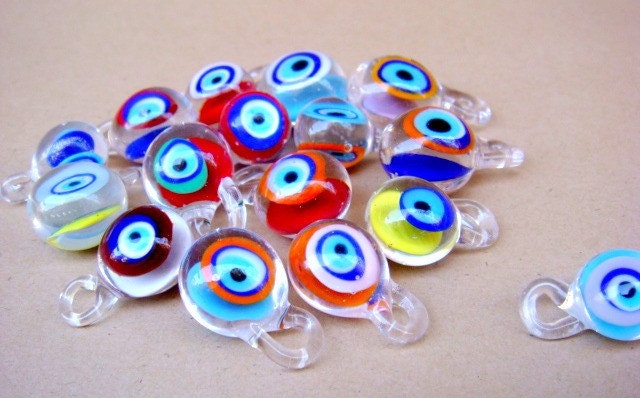
In Turkey, evil eye jewelery and other such trinkets are particularly common. The evil eye is also known as the Eye of Medusa. A nazar or evil eye stone (Turkish: nazar boncugu) is an amulet that protects against the evil eye. Colourful beads, bracelets, necklaces, anklets, and all manner of decoration may be adorned by this particularly popular symbol, and it is common to see it on almost anything, from babies, horses, doors to cars, cell phones...I have several evil eye beads and ring at my ETSY shop...
Belief in the evil eye during antiquity is based on the evidence in ancient sources like Aristophanes, Athenaeous, Plutarch, and Heliodorus. There are also speculations that claim Socrates possessed the evil eye and that his disciples and admirers were fascinated by Socrates' insistently glaring eyes. His followers were called Blepedaimones, which translates into demon look, not because they were possessors and transmitters of the evil eye, but because they were suspected of being under the hypnotic and dangerous spell of Socrates.
In the Greco-Roman period a scientific explanation of the evil eye was common. Plutarch's scientific explanation stated that the eyes were the chief, if not sole, source of the deadly rays that were supposed to spring up like poisoned darts from the inner recesses of a person possessing the evil eye. Plutarch treated the phenomenon of the evil eye as something seemingly inexplicable that is a source of wonder and cause of incredulity.
The belief in the evil eye during antiquity varied from different regions and periods. The evil eye was not feared with equal intensity in every corner of the Roman Empire. There were places in which people felt more conscious of the danger of the evil eye. In the Roman days not only were individuals considered to possess the power of the evil eye but whole tribes, especially those of Pontus and Scythia, were believed to be transmitters of the evil eye.
The spreading in the belief of the Evil Eye towards the east is believed to have been propagated by the Empire of Alexander the Great, which spread this and other Greek ideas across his empire.
Belief in the evil eye is strongest in the Middle East, East and West Africa, Central America, South Asia, Central Asia and Europe, especially the Mediterranian region; it has also spread to other areas, including northern Europe, particularly in the Celtic regions, and the Americas, where it was brought by European colonists and Middle Eastern immigrants.
Belief in the evil eye is found in Islamic doctrine, based upon the statement of Prophet Muhammad, "The influence of an evil eye is a fact..." . Authentic practices of warding off the evil eye are also commonly practiced by Muslims: rather than directly expressing appreciation of, for example, a child's beauty, it is customary to say Masha'Allah, that is, "God has willed it", or invoking God's blessings upon the object or person that is being admired. Aside from beliefs based upon authentic Islamic texts, a number of unsubstantiated beliefs about the evil eye are found in folk religion, typically revolving around the use of amulets or talismans as a means of protection.
In Turkey, evil eye jewelery and other such trinkets are particularly common. The evil eye is also known as the Eye of Medusa. A nazar or evil eye stone (Turkish: nazar boncugu) is an amulet that protects against the evil eye. Colourful beads, bracelets, necklaces, anklets, and all manner of decoration may be adorned by this particularly popular symbol, and it is common to see it on almost anything, from babies, horses, doors to cars, cell phones...I have several evil eye beads and ring at my ETSY shop...
OR

23.11.09
Item of the DAY!!!
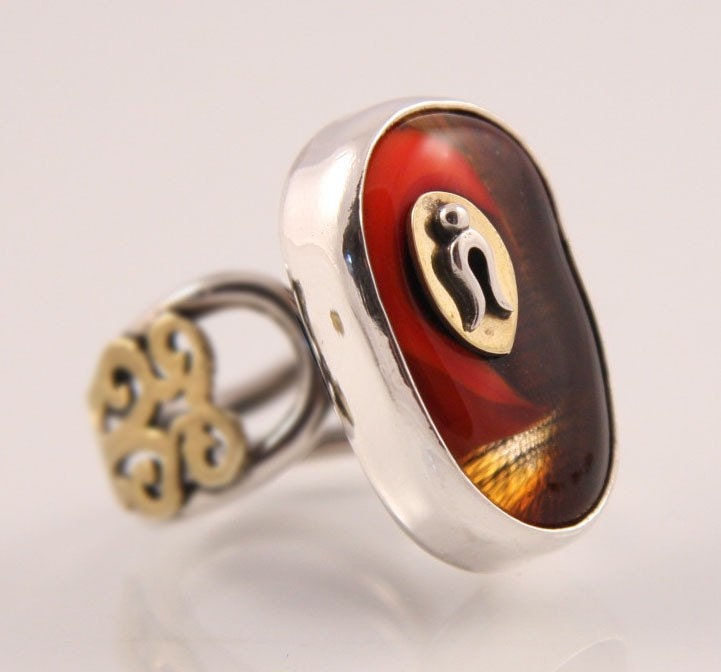
Dear Julia from thespottedsparrow (etsy shop)has picked my "ring" as an Item of the DAY at her beautiful blog spottedsparrow...Thank you soo much Juliaaaa !!!
20.11.09
IF....
If one of my friend has not watched TV carefully at that evening and not seen the painting as below , I would not know anything about an exhibiton Hybrid Spaces-Corridors by AZADE KOKER...there was a big suprise waiting for me...Guess What?:-)))
no guess?
still no??
you see something familiar??
aaannndd VOILAAA.....
My shop sign was on the "ART" piece...I could not believe in my eyes...and this became an unforgettable memory of my life...My dear friend Sibel took the photos for me...Thank you my dear:-))
My shop's original sign is
Subscribe to:
Posts (Atom)